
NASA’s deep space images often feel like both science and art. But NASA’s latest images are art in more ways than one: they come with sound. NASA recently released a set of new images that are impressive on their own, but come accompanied by music created from scientific data.
NASA’s sonigications translate different data points from the photographs into different musical elements. The brightness of the image, for example, turns into volume, creating a crescendo at the brightest points of the photograph.
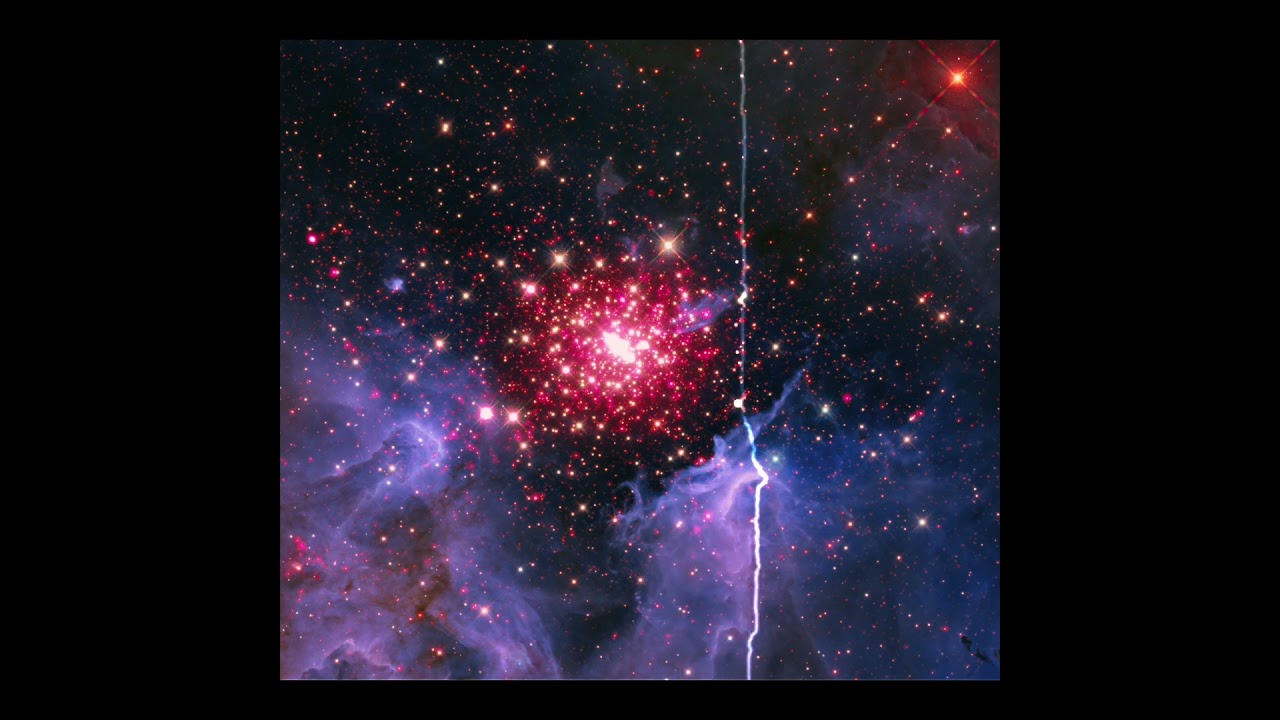
NASA used different scans, such as left to right and a clockwise circle, along with using different instruments to represent different data. In one sonification of the Milky Way cluster NGC3603 for example, the data that comes from Chandra’s X-ray observations becomes piano notes, while the Hubble data becomes an acoustic guitar.
A photo that creates a song is unusual in itself, but the set of images also features red, white, and blue galaxies and nebulae as NASA’s nod to America’s 250th birthday this Fourth of July. That seems extra appropriate, because what fireworks show is complete without sound?
Those colors, however, aren’t just patriotic but represent different visual data and hint at where that image came from. Chandra’s x-ray technology tends to render blues, purples, and whites. Layering those images with visible light, infrared, and ultraviolet photographs from additional space telescopes, like Hubble and James Webb, offers both more colors and a more complete dataset.
The cluster of Milky Way stars known as the nebula NGC 3603 looks almost like an exploded firework. NASA says the bright red cluster of stars is revealed by mixing data from Chandra with images from the Hubble Space Telescope.
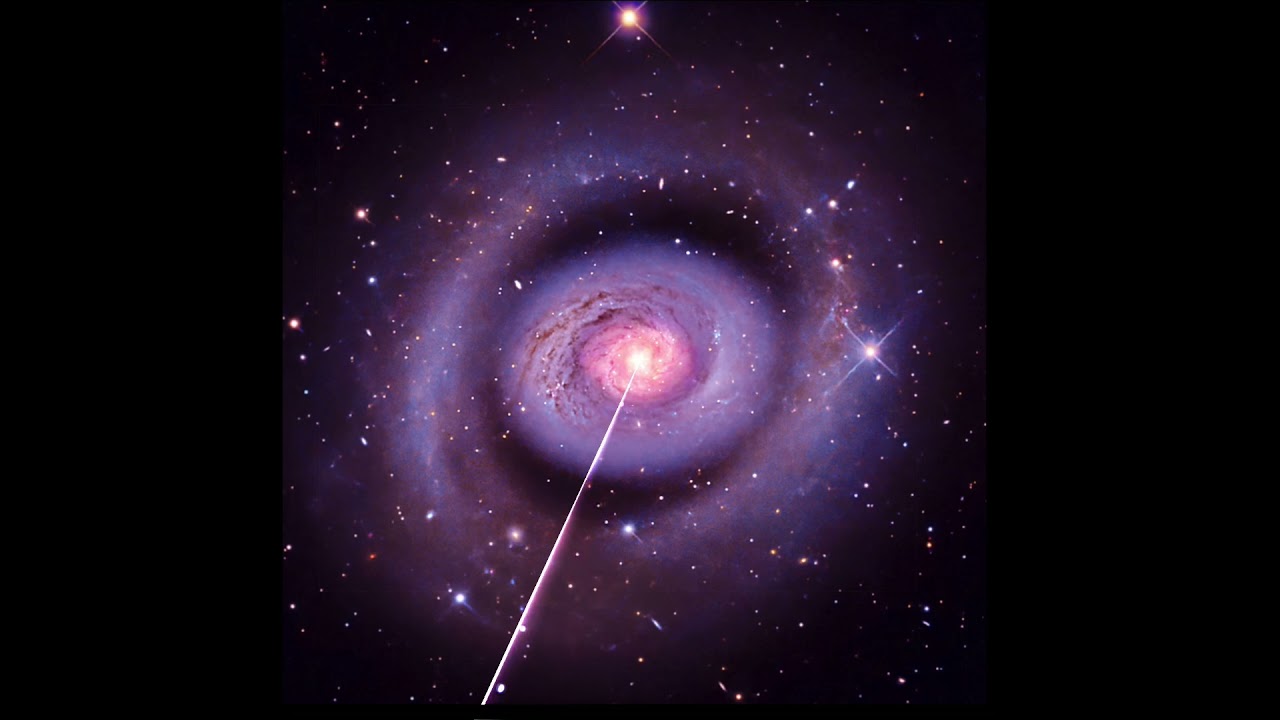
The new collection also features the galaxy NCG 4736 or Messier 94, a shot that mixes images from Chandra with photos from astrophotographers on the ground using telescopes. The combination shows off the galaxy’s inner starburst ring, where new stars are forming.
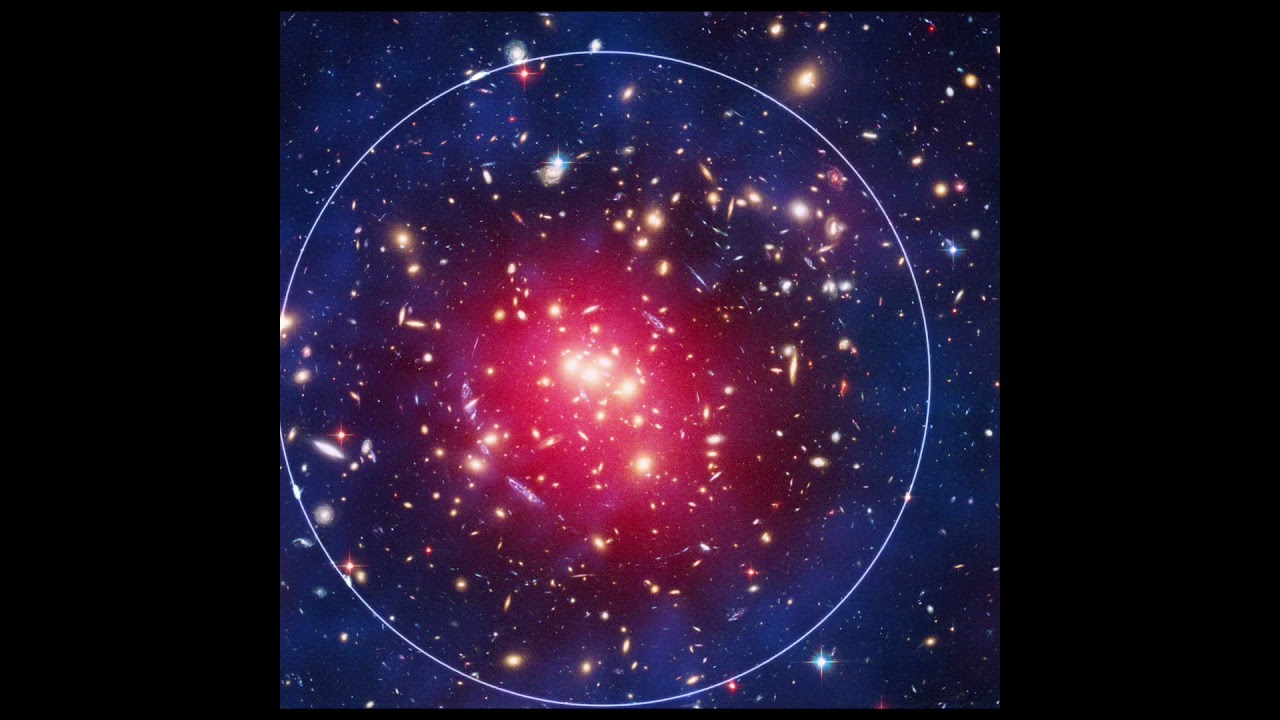
The blue inside the final image collection comes from Hubble data on a distant cluster of galaxies known as ZwCl 0024+1652, while data from Chandra’s X-ray data adds the red superheated gas to the image.
You may also like...
For more starry inspiration, take a look at the best cameras for astrophotography or the best tripods.

