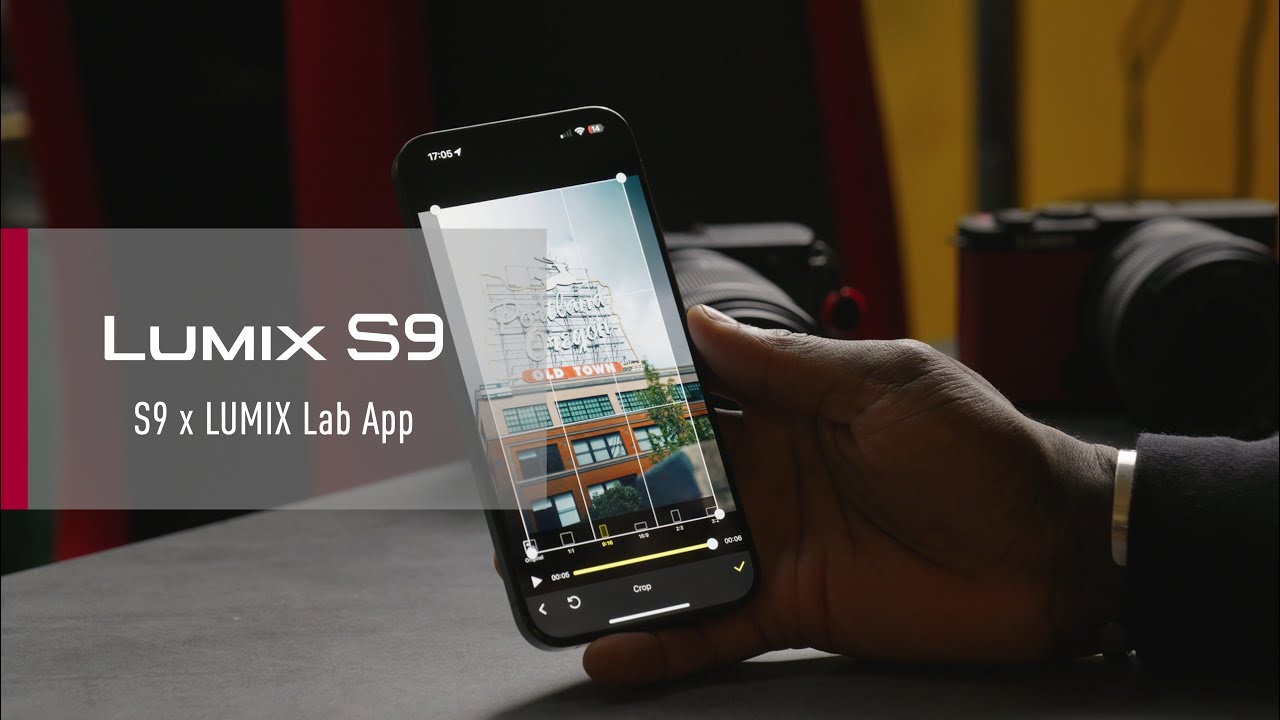
Sponsor Content Created With

This is why you NEED open gate video recording
It’s the latest buzzword and one of the most highly hyped features in the camera industry: open gate video. But make no mistake, this isn’t a case of all sizzle and no steak – this is a truly transformative technology that is reshaping the way creators capture video.
Open gate has become a signature of LUMIX cameras – and this distinctive feature is one of the primary reasons that videographers are abandoning rival mirrorless systems. Sony shooters in particular are migrating to LUMIX S Series bodies, as once you know what this feature can do there is simply no turning back.
This is the most disruptive feature to hit the camera industry in years – and this is what it can do for you…
What is open gate recording?

Historically, image sensors have recorded video in a traditional 16:9 aspect ratio – capturing a widescreen, “letterboxed” file that for years was the preferred way to deliver footage. However, there are two problems with this.
Firstly, the vast majority of image sensors are not 16:9 in dimension; rather, they tend to be a larger and taller 3:2 ratio. This meant that, in order to record in 16:9, cameras were cropping into the sensor area and wasting all the resolution at the top and bottom. They were literally throwing pixels away!
The second problem is that, while it is still the de facto aspect ratio for TVs and laptops, the rise of smartphones has meant that 16:9 is completely impractical for the way many people consume video. Because phones better resemble a 9:16 ratio, it has become imperative to capture and deliver vertical video. This has required creators to either commit to one format or the other, or to capture content twice – once horizontal, once vertical.
Open gate addresses both issues by using the entire sensor area to record footage. With this much taller 3:2 file, which also possesses greater resolution, you can frame and capture video once and then crop it in post, depending on your requirements.
That gives you sufficient headroom to take a 9:16 vertical video, or a traditional 16:9 video, or a 1:1 square – you can even chase emerging trends like the 5120 x 1080 Instagram format, all without having to reorient your camera or change any settings. No more “one for YouTube, one for social” shooting – just film once and deliver however it’s needed.

Why it matters for creators
The impact this has not only on the creative process, but also on speed and workflow, is immeasurable. For starters, you only have to shoot once yet you can crop in multiple ways – saving you time, not to mention vast amounts of storage, while reducing the number of errors and making continuity woes a thing of the past.
Even if you don’t require flexible delivery for multiple purposes, recording the entire sensor readout in open gate enables you to achieve better framing even after you’ve captured your shot. You can also adjust your composition according to what’s in the frame, create digital camera moves or even improve the stability of handheld shots, thanks to the extra frame area to play with in post.
This may be the single most compelling reason for creators who have switched from systems like Sony. Say you’re recording a podcast or presenting a piece to camera; rather than having a locked-off shot that stays static for the entire video, you can use the extra sensor area to create dynamic pushes and pans – essentially giving you a virtual cameraman and adding instant production value to your work.
LUMIX cameras lead the industry when it comes to in-body image stabilization but, for those times where you’re shooting handheld and need a bit more shake or movement compensation, the extra headroom with open gate enables you to achieve gimbal-smooth results in post production.
Versatility for pros

It’s easy to think of open gate as just being useful for content creators, since it makes life so easy to output a single video both horizontally for YouTube and vertically for social. But it’s an equally important tool for professional videographers, whose client demands can be every bit as stringent.
Older clients, for example, who grew up with televisions in a squarer 4:3 aspect ratio, sometimes complain about “the black bars that cut off the top and bottom of the picture”. So when you’re shooting a wedding, in addition to the carefully composed 16:9 version for the family, you can deliver a full readout 3:2 version for the grandparents.
Likewise, when shooting corporate work, clients may decide last-minute that the talking head piece you diligently shot in 16:9 would actually be perfect for an Instagram Reel. Had you shot natively in 16:9, it might be impossible to make that work – but by shooting in open gate, you can build in the necessary image height that gives you the flexibility to make those last-minute 9:16 requests come true. And working a last-minute miracle is great for rebookings!
Open gate is standard on LUMIX S
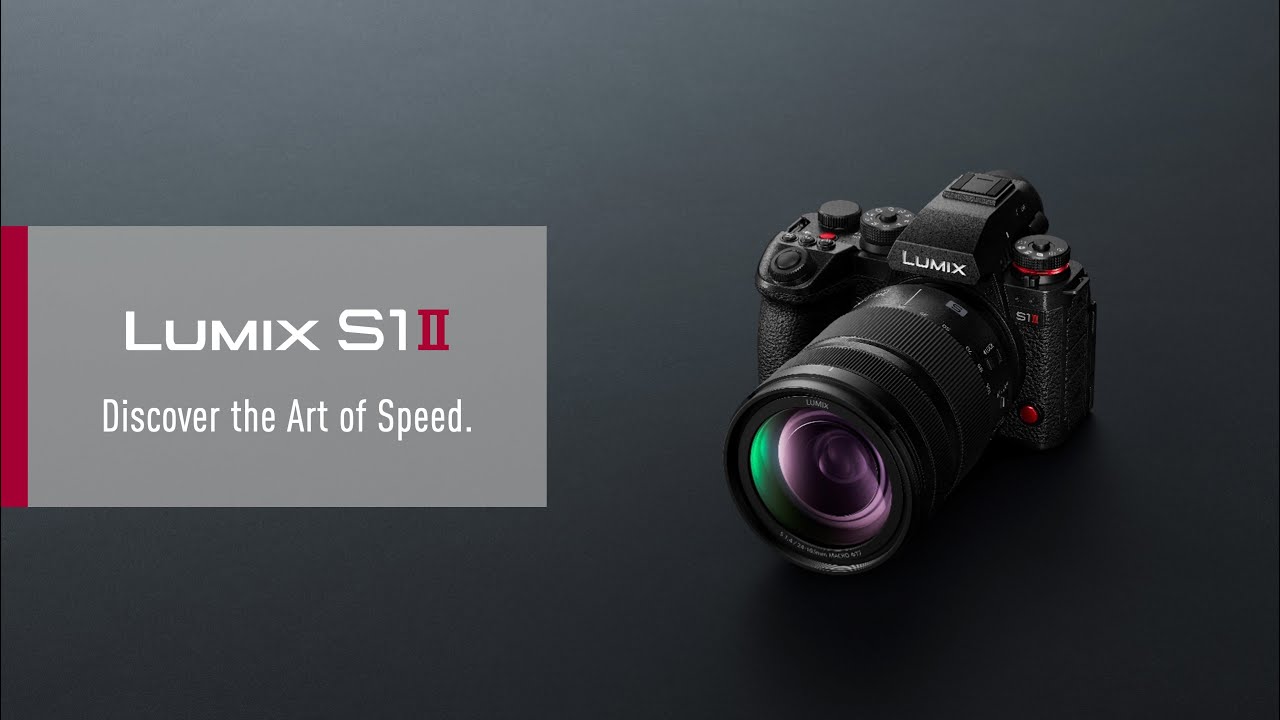
Again, on other brands, this isn’t a native feature unless you invest in a pricey cinema camera – but it comes as standard across the entire range of LUMIX S Series full-frame mirrorless cameras. And this speaks to Panasonic’s heritage of empowering creators and professionals with the smart, adaptable tools they need.
Not only do LUMIX S cameras enable you to shoot in open gate, they also pack in intuitive tools such as frame markers to make sure you don’t miss a beat. By dialling in your desired output – whether it’s 2.35:1 scope or 1.85:1 flat for cinematic use, or 4:5 or 9:16 for handheld devices – these will add markers to help you compose even while shooting the entire frame.
Combined with other exclusive tools like the LUMIX Lab app, which gives you the power to use Realtime LUTs and grade your footage at the point of capture instead of during post production, creators can shoot, edit and export faster than ever before – all from a single workflow.
Being nimble and adaptable is crucial for creatives. For instance, who could have seen the 5120 x 1080 trend emerge? While nobody can predict what the next one will be, LUMIX cameras adapt to the latest needs and enable videographers to elevate their craft – and stay ahead of the pack.
Visit the LUMIX website to find out more about the features of full-frame S Series cameras.