Sponsor Content Created With

LUMIX vs Sony: Which autofocus system truly delivers for hybrid creators?

One of the most important things to consider when investing in a camera system is autofocus. Because it doesn’t matter whether you’re a seasoned professional or a total beginner, or whether you’re filming a paid job or taking stills of the wildlife in your back garden: good AF is the difference between making the shot and missing it.
There’s a prevailing myth in the industry that Sony cameras have the best autofocus. However, while this might once have been the case – and although Sony’s real-time tracking AF is very capable – other cameras have not only caught up, but in some cases exceeded what Alpha bodies can do. In fact, LUMIX’s latest full-frame cameras have cutting-edge AI-powered autofocus tools that aren’t available on Sony’s system.
If you’ve overlooked LUMIX’s autofocus capabilities in the past, it’s time to take a fresh look at what they can do – because its AI AF isn’t just competitive, it’s been engineered specifically to meet the needs of hybrid shooters who need powerful, precise, professional performance in both photography and videography.
S Series cameras, A-grade autofocus
The latest LUMIX cameras have long since moved away from the older, slower, contrast-based AF system. The most recent generations have embraced Phase Hybrid AF, combining the speed of LUMIX’s traditional DFD (Depth From Defocus) technology with the accuracy and performance of on-sensor phase-detection points – producing a pro-calibre focusing system that’s both quick and consistent.
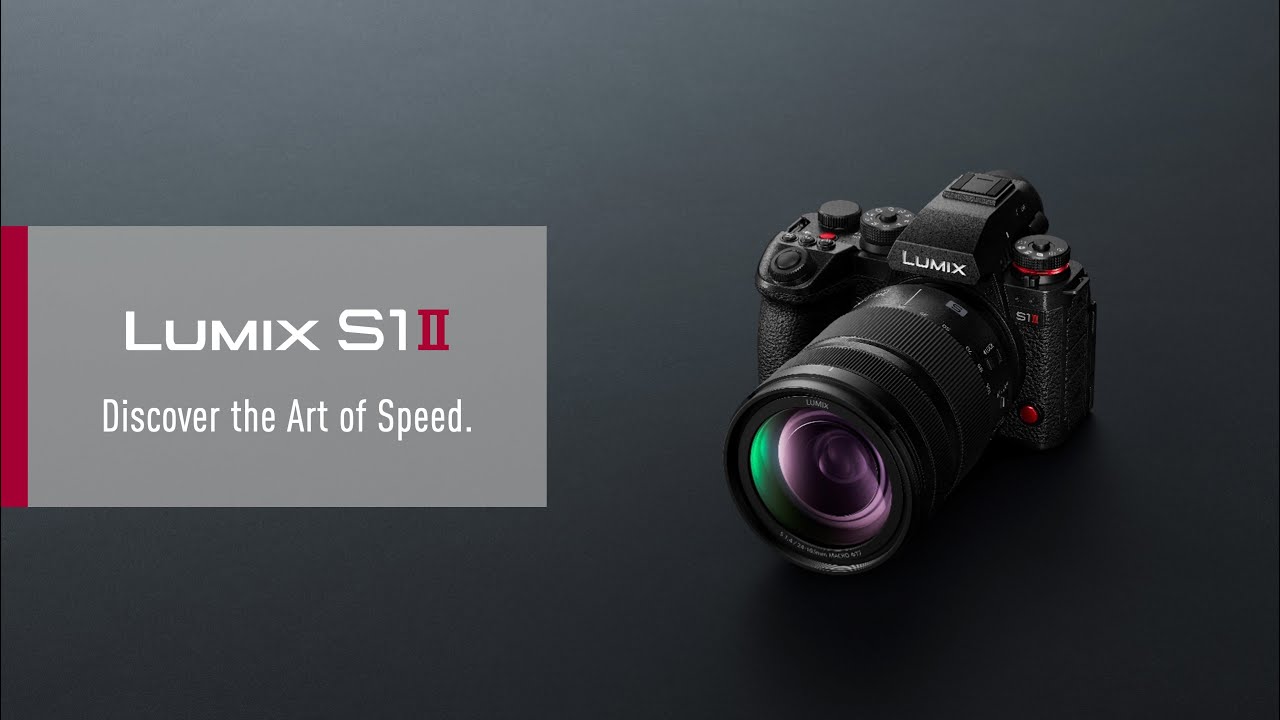
However, with the new LUMIX S1II series cameras, the autofocus isn’t just reliable in its reactivity; it employs AI to offer predictive tracking, making it one of the most robust AF systems on the market. And that’s as true for fast-moving video as it is for rapid-fire stills shooting.
Not only have the subject detection algorithms been rigorously trained and tested, they also offer granular control depending on what you want to focus on. For example, as with many systems, the S1II offers human subject recognition. However, you can tell the camera whether to focus on the full body or just the face and eyes. Likewise, when shooting motorcycles, you can choose whether to keep the entire bike in focus or to zero in on the rider’s helmet.
In fact, the LUMIX S1II even boasts unique autofocus options that no other camera system on the market possesses – enabling it to detect and stay locked onto subjects when they turn away, perform complex or erratic movements, or even when they are partially obscured by the environment or bystanders.
For instance, there’s an algorithm for urban sports – which has long been one of the backbones of action videography, dating back to skater culture and Super8 camcorders – enabling creators to capture subjects such as skateboarding, breakdancing and freerunning. The LUMIX S1II can reliably track and shoot genres like skating and parkour despite the unpredictable action, confusing backgrounds and architectural obstructions.

This camera saves your shots (literally) when you’re slow off the mark
Of course, good AF isn’t the only difference between making or missing the shot; it’s also about having the reflexes to catch the decisive moment. However, with the latest LUMIX camera, it doesn’t matter if you don't start shooting in time – because the S1II is like an image capture time machine.
The camera offers Pre-Burst Capture, an incredible feature that records up to 1.5 seconds before you fully depress the shutter – which means that even if you don't start shooting at the instant the action starts, the S1II can make sure you don't miss the all-important moment.
As crucial as super-fast autofocus is, however, it can sometimes cause issues for videographers – who often find that it can be a bit too “twitchy” when switching between subjects. That's not an issue with the S1II’s AF, though, which offers smooth transitions when recording video, enabling solo shooters to film with the reliability and subtlety of a dedicated focus puller – adding serious production value.
One of the unsung qualities of the latest LUMIX autofocus is its low light performance. Thanks to the capability of its Phase Hybrid AF system, the S1II can autofocus down to -6EV – making it supremely capable when it comes to shooting in challenging conditions. This isn't just helpful when the light starts to fade; it also means that you can maintain accurate autofocus in situations such as harsh backlighting.

An all-powerful system – that keeps evolving
Perhaps the thing that LUMIX owners love most is that the autofocus has continued to improve even after they’ve bought their cameras. LUMIX is arguably the brand that pays the most attention to its community, listening to creator feedback and offering refinements to performance.
The S1II’s autofocus has become better and better, thanks to a series of significant firmware updates, including as recently as November – where improvements were made to the user interface, along with algorithmic enhancements to boost AF tracking stability.
And the ultra-advanced autofocus complements the other cutting-edge features in the latest S Series cameras, such as open gate video for the ultimate reframing and output options for creators; the best and most innovative full-frame image stabilisation on the market (handily outperforming Sony’s IBIS system); hybrid workflow optimisation like Realtime LUTs for cinematic colour grading; the best apps (such as LUMIX Flow) for on-the-go editing, categorising and uploading, and so much more.
There’s no better way to find out how good the LUMIX S1II is than to try one for yourself. Head over to LUMIX Loan and test drive a camera and lens absolutely free for 48 hours – push it to the limit and see how it does the things that other cameras can’t.
