Watch almost any natural history program these days and you’re likely to see a time-lapse photography sequence. Whether it’s showing a cloud rolling quickly over a mountain range or flowers coming into bloom, the technique has become widespread.
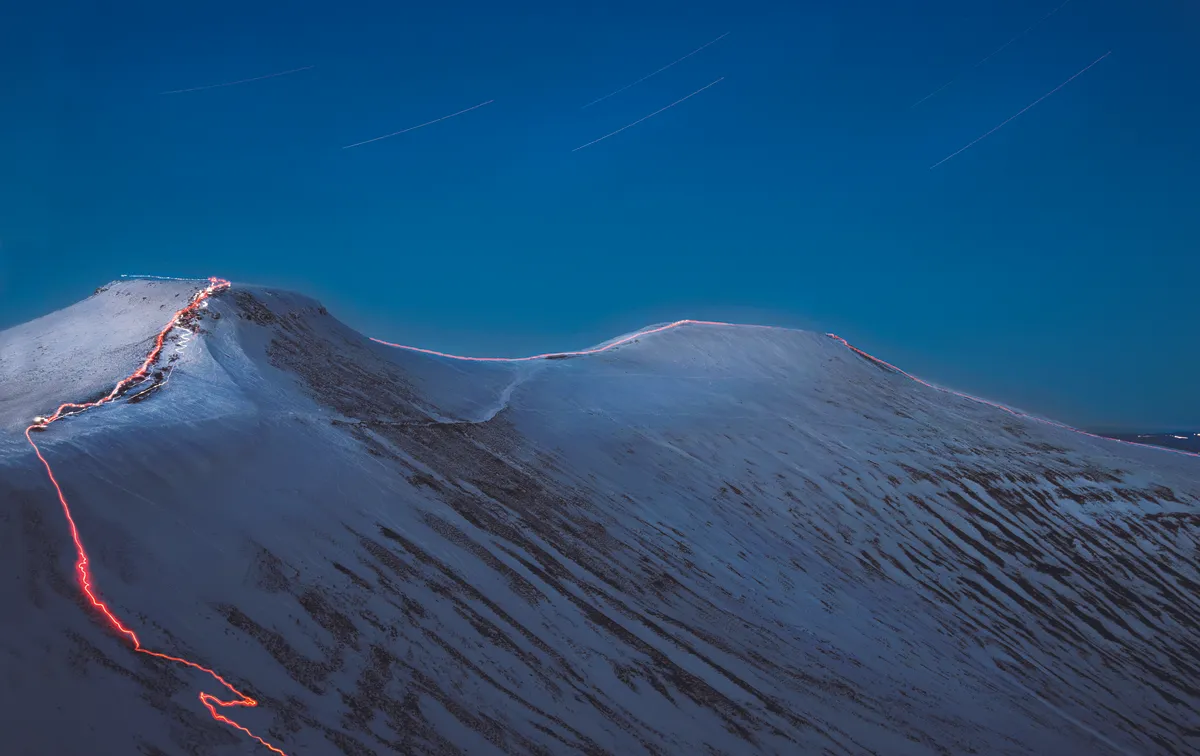
Click on the image to find out how you could take shots like this…
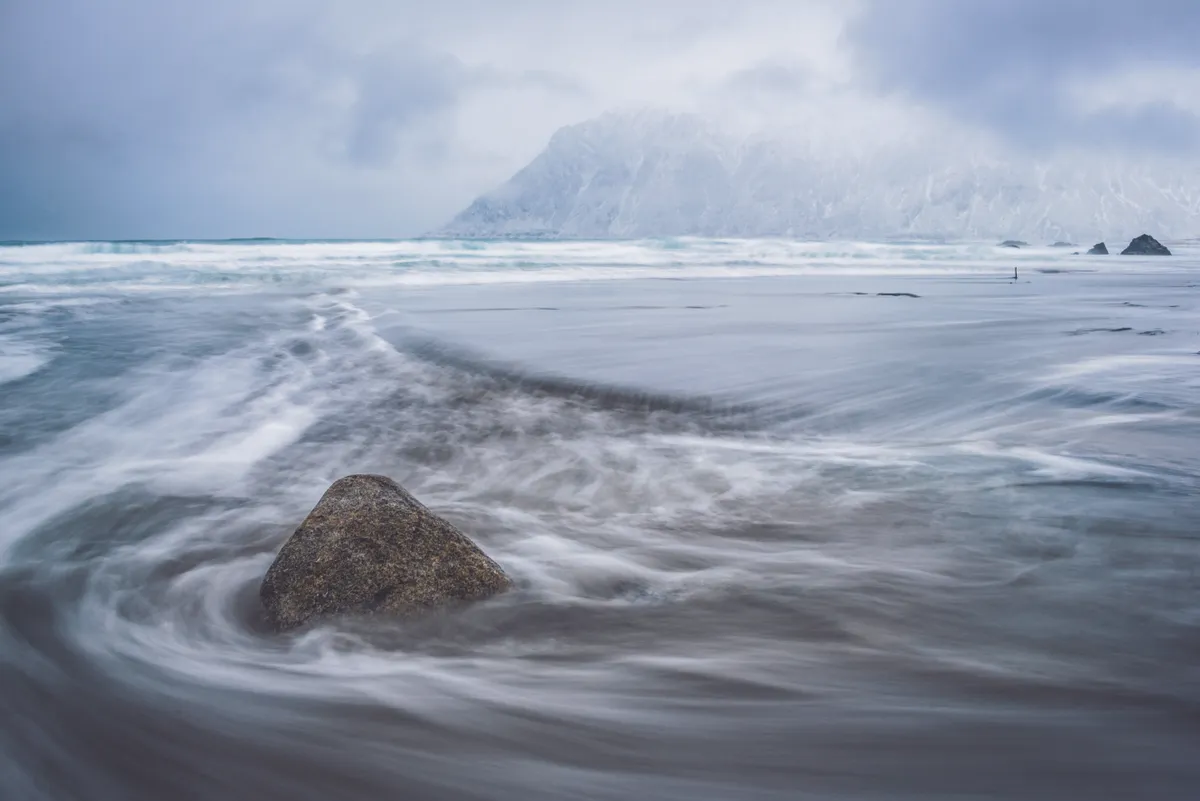
Click on the picture to see this dramatic mono seascape in full.
ND filters are sold in different strengths, and different scales are used to measure this. Some use an NDxx number, others refer to optical density, and some refer to the light reduction in EV or ‘stops’. Below we’ve served up four of our best tips for choosing the best ND filter for your DSLR.
Timing is key to shooting great seascapes. You need to be there at the right time of day, but just as important is the timing of the exposure. For a raging, stormy sea, a fast shutter speed can be appropriate, but with calmer waters, the best approach is to take it slow. Very slow. In this tutorial we’ll show you how to take control of your camera to take long exposure pictures of the sea you can be proud of.
Astrophotography is all about stars, constellations and an uplifting sense of wonder. There are a number of simple targets for the beginner to aim for, and you don’t need specialist equipment or expensive glass.
A solargraph is a long-exposure image that shows the path of the sun as it arcs across the sky, usually over several months – and sometimes even longer. Because it’s such an extreme long exposure, the image formed will record how the path of the sun varies over the weeks and months that it is exposed, and can produce pictures that are both scientifically interesting and beautiful to look at.
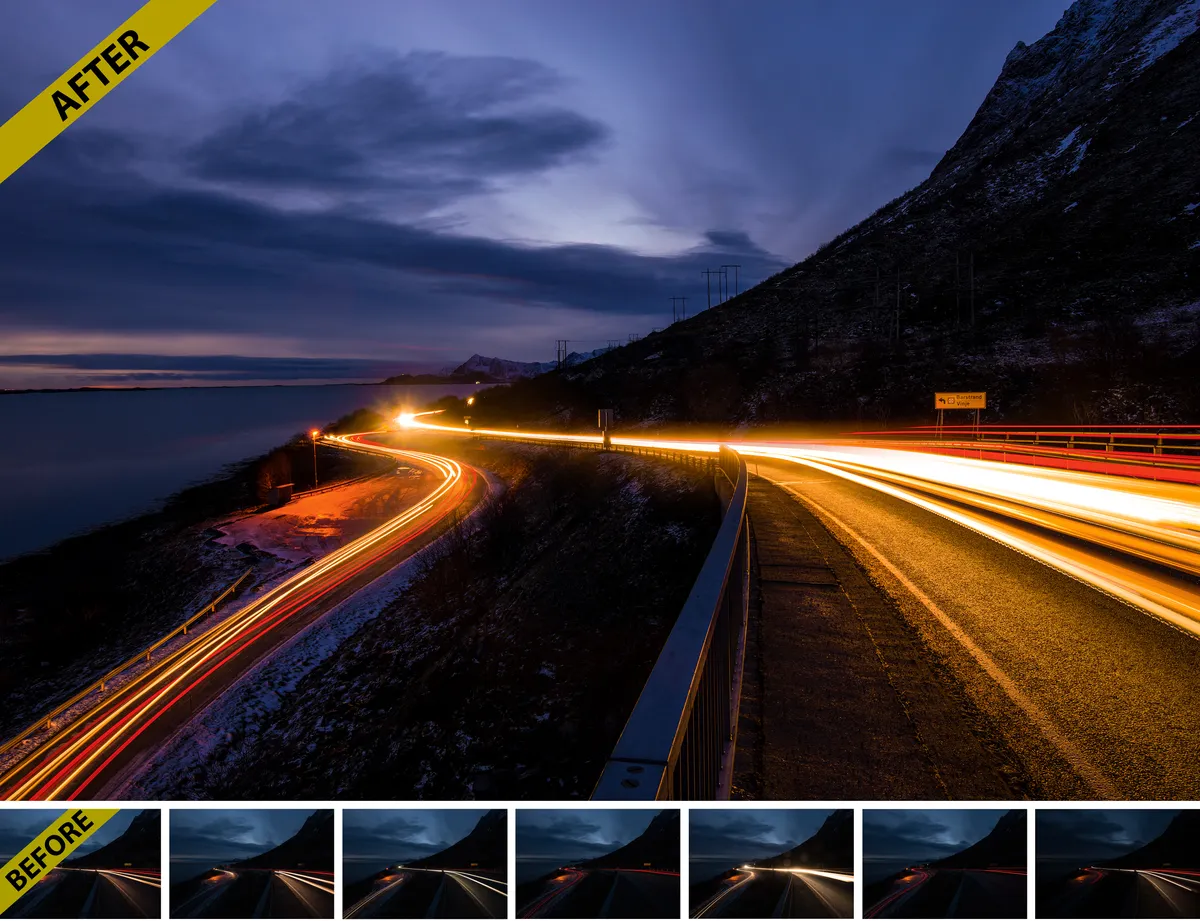
A fantastic subject to get you started in night photography is traffic light trails – long tendrils of colourful light that form wonderful abstract shapes. The great news is that it’s an easy technique to learn and you can produce really eye-catching images with some very basic gear. All you need is an SLR with a wide-angle zoom lens, a sturdy tripod, a remote shutter release and a basic grounding in tried and tested night photography techniques.
To guarantee sharp shots of static subjects, using a tripod is essential, because it enables you to set any shutter speed you like and still get a shake-free shot. You’re then free to select the aperture you want to ensure maximum sharpness. To help you along we’ve compiled 9 practical tips you should know when using a tripod to ensure that you get the images you want.
Painting with light is one of the easiest ways to transform your night scenes from ordinary to extraordinary. Although you rely on natural light for most daylight photography, introducing artificial light when shooting night photography allows you to get really creative.